
The Best Handgun Ammo for Self-Defense, Range Days, and Every Carry Gun
Have you ever wondered what actually happens inside that small brass case the moment you pull the trigger? Handgun ammunition is a self-contained system where the primer ignites the powder, building gas pressure that propels the bullet down the barrel with predictable force. Choosing the right 6.5x57R Ammo for Sale load—whether full metal jacket for practice or hollow points for personal defense—directly affects accuracy, recoil, and stopping power. Matching your ammo to your specific handgun and purpose ensures reliable feeding and consistent performance every time you shoot.
Choosing the Right Load for Your Concealed Carry Pistol
Selecting the right load for your concealed carry pistol means prioritizing penetration and consistent expansion over raw velocity or flashy ballistics. Choose a premium jacketed hollow point (JHP) designed for short-barrel performance, as standard loads may under-expand in a compact slide. Test at least three different defensive rounds through your specific pistol, checking for reliable feeding, cycling, and point-of-aim shift. .32 Win Special Ammo for Sale Pay close attention to muzzle flash, which ruins night vision, and recoil impulse, which slows follow-up shots. A 124-grain or 147-grain 9mm JHP with bonded construction is a proven balance, but verify it cycles flawlessly with your magazine springs.
Your carry ammo must function 100% of the time in your gun, not just meet a spec sheet—carry only what you have thoroughly tested for your own barrel length and grip.
Finally, run at least 200 rounds of your chosen defensive load to ensure zero malfunctions before trusting it with your life.
Stopping Power vs. Overpenetration: What Actually Matters
The core tension in defensive handgun ammunition is balancing adequate stopping power against the risk of overpenetration. Stopping power is not about knockdown force; it’s about creating a wound channel that disrupts critical structures, which requires sufficient penetration depth—typically 6.8 SPC Ammo for Sale 12 to 18 inches in ballistic gel—to reach vital organs. Overpenetration matters because rounds that exit the target retain lethal energy and threaten bystanders. Your choice is a compromise: a bullet must penetrate deeply enough to be effective but ideally expand or fragment to dump energy and stop within the body. The real metric is not raw power but controlled penetration with reliable expansion.
- Prioritize penetration consistency over raw velocity; a slow, deep-penetrating round is more reliable than a fast, shallow one.
- Expanding hollow points reduce overpenetration risk compared to full metal jacket rounds, which frequently pass through.
- Test your chosen load in gel with barriers, as clothing and glass can alter expansion and depth.
- Accept that no handgun round is guaranteed to stop a threat instantly; shot placement mitigates both failure and exit risk.
Ball Ammo vs. Hollow Points: Which One Belongs in Your Magazine?
For concealed carry, hollow points belong in your magazine, not ball ammo. Full metal jacket rounds over-penetrate, risking bystanders and failing to stop a threat quickly. Hollow points expand on impact, dumping energy into the attacker and drastically reducing pass-through risk. Ball ammo is for the range—cheap, reliable for practice, but tactically dangerous for self-defense. You carry to protect life, not to punch holes through walls and bodies. A hollow point’s proven stopping power gives you the confidence to act decisively. Don’t gamble your safety on outdated military surplus. Load the round engineered for the fight, not the target range.
Q: Is ball ammo ever acceptable for concealed carry?
A: No. The over-penetration risk alone disqualifies it. You cannot control where a full metal jacket round stops, and your legal and moral responsibility ends with every bullet you fire. Hollow points are the only responsible choice.

Understanding Calibers and What They Mean for Shooting Feel
When you squeeze the trigger, the caliber dictates the entire conversation your hand has with the pistol. A 9mm Luger offers a crisp, snappy push that rolls straight back into your palm, letting you track the front sight for a fast follow-up shot. Step up to a .45 ACP, and you feel a slower, heavier shove—a blunt thump that rocks your wrists and demands you re-grip after every round. That difference isn’t just power; it’s timing. The lighter recoil spring of a .380 .338 Lapua Ammo for Sale ACP makes the slide cycle with a soft, almost polite flick, while a .40 S&W’s high-pressure snap can torque your muzzle upward if your stance is even slightly loose.
Your perceived recoil is less about raw energy and more about how quickly the impulse transfers—slow pushes feel tame, sharp spikes feel violent.
For plinking, a mild .22 LR keeps the muzzle flat and your focus on trigger control; for defense, a hot 9mm +P turns each shot into a decisive, urgent shove that reminds you you’re firing a tool, not a toy.
Recoil Differences Between 9mm, .40, and .45 ACP
Feeling the difference between 9mm, .40, and .45 ACP comes down to how the recoil impulse hits your hands. A 9mm gives a quick, snappy push that’s easy to manage for fast follow-up shots, making it the softest shooter of the trio. 6.5x57mm Mauser Ammo for Sale The .40 S&W delivers a sharper, more abrupt kick—noticeably more muzzle flip that can tire your wrists during longer sessions. The .45 ACP, by contrast, produces a heavier, slower shove that feels like a solid shove rather than a crack, which many shooters find surprisingly controllable despite the power. Recoil differences between 9mm, .40, and .45 ACP also depend on your grip and frame size. If you’re testing them at a range, do this:
- Start with 9mm to learn your baseline for muzzle rise.
- Move to .40 to feel the sharper snap and increased rotation.
- Finish with .45 ACP to compare the low, rolling push against the sharper kicks.
That sequence lets your hands map each caliber’s unique personality without flinching.
Comparing Velocity and Energy for Self-Defense Scenarios
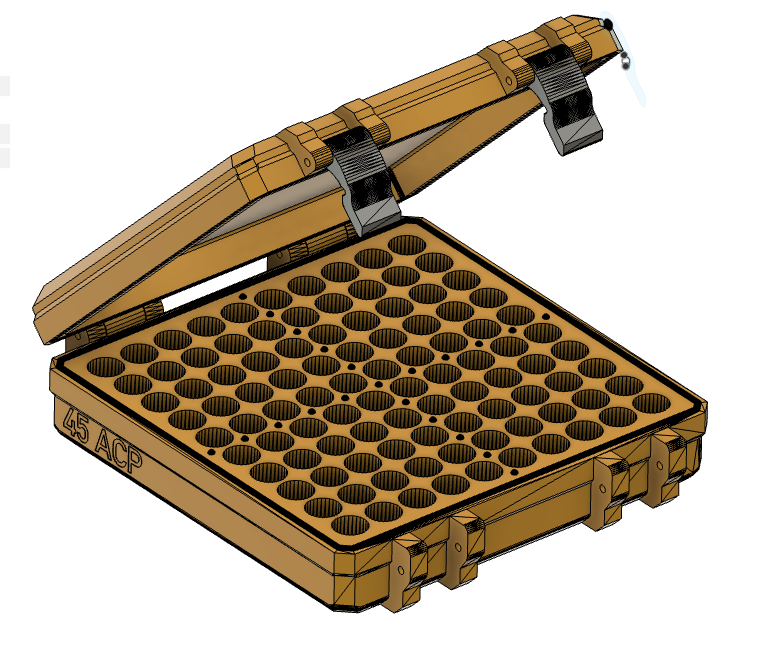
When sizing up handgun ammo for self-defense, velocity and energy tell two different stories. Comparing velocity and energy for self-defense scenarios means looking at how fast 6.5×55 Swedish Ammo for Sale a bullet reaches the target versus how much work it does on impact. A light, fast round like a 9mm 115-grain can zip out at high speed, but its energy drops quickly if it doesn’t penetrate deeply. A heavier .45 ACP 230-grain moves slower, yet it carries more punch at close range—which matters because most defensive shootings happen within a few yards. Before you pick a load, run through this quick mental checklist:
- Check the muzzle velocity from your actual barrel length.
- Compare energy at 10 yards, not just at the muzzle.
- Balance speed for follow-up shots against energy for stopping power.
That way, you choose what works for your hands, not just the box label.
How Bullet Design Affects Terminal Performance
Bullet design is the whole ballgame for handgun terminal performance, because velocity is limited. A full metal jacket pokes a clean hole, while a hollow point expands to dump energy fast and stop threats. The jacket thickness and cavity shape dictate how reliably that expansion happens at self-defense speeds. Depth of penetration hinges on bullet weight and whether the nose stays intact—too soft a bullet can fragment early and under-penetrate, leaving you with a shallow wound. Bonded cores keep the slug together on tough barriers like denim or car glass, so it still expands when it finally hits tissue. But no design fixes a poor shot placement, so pick a bullet that performs from your specific barrel length and trust your aim. For personal defense, choose a proven hollow point and test it in your carry gun, not just what looks mean on paper.
Jacketed Hollow Points: Expansion Mechanics and Barriers
Jacketed hollow points (JHPs) rely on hydraulic pressure to initiate controlled expansion mechanics, forcing the thin copper jacket to peel radially as the lead core mushrooms upon tissue impact. The hollow cavity’s mouth diameter and jacket skive depth determine the velocity threshold needed for reliable bloom—too little speed yields no expansion, while excessive velocity can strip the jacket from the core. Barriers drastically alter this equation: heavy denim or drywall clog the hollow cavity, delaying hydraulic buildup and often preventing expansion entirely, leaving a full-diameter slug that over-penetrates. Conversely, auto glass or sheet metal can prematurely deform the tip, causing asymmetric expansion that reduces penetration depth. Testing JHP designs specifically against layered fabric is critical, as barrier-clogged expansion is the primary cause of failure in defensive scenarios.
JHP expansion depends on hollow-tip geometry and impact velocity, but any barrier—especially fabric—can obstruct the cavity, turning a controlled-expansion round into a low-penetration or non-expanding projectile.
Full Metal Jacket vs. Bonded Cores: Penetration Depth Explained
Full Metal Jacket vs. Bonded Cores: Penetration Depth Explained hinges on the projectile’s ability to retain mass and resist deformation upon impact. A full metal jacket (FMJ) uses a thin copper envelope over a lead core, which prevents expansion, allowing the round to punch straight through soft tissue with minimal resistance, often exceeding 20 inches of penetration. In contrast, a bonded core welds the lead slug to its jacket, enabling controlled expansion while keeping the bullet intact; this broader frontal area increases drag, typically reducing penetration to a more moderate 12–16 inches. *Yet, bonded rounds can out-penetrate FMJ when fired through barriers, as the retained weight preserves momentum through glass or drywall, whereas FMJ may yaw unpredictably.* For self-defense, choose bonded for balanced depth; choose FMJ for over-penetration risk at the range.
FMJ offers deeper, unchecked penetration post-impact, while bonded cores trade raw depth for controlled expansion and reliability, making penetration depth a direct trade-off between barrier performance and tissue resistance.
Selecting Ammo for Target Practice That Saves You Money
For handgun target practice that saves you money, buy full metal jacket (FMJ) rounds in bulk, specifically 9mm or .22 LR, as they cost 30–50% less than defensive hollow points. Stick to standard pressure loads with 115-grain bullets for 9mm—they produce less recoil and barrel wear, extending your firearm’s life. Buy in cases of 500 or 1,000 rounds from reputable online retailers, where per-round price drops sharply; avoid novelty or specialty ammo like +P or frangible rounds, which offer no accuracy benefit for paper. Question: Is cheap steel-case ammo worth it? Answer: Only if your handgun cycles it reliably—test one box first, as failures waste range time and frustration, negating savings. Stick to brass for consistent extraction and resale value.
When to Use Budget-Friendly Reloads or Factory Seconds
Choose budget-friendly reloads or factory seconds when you are drilling fundamentals like trigger control, sight alignment, and grip, where extreme accuracy is not the metric. They are ideal for high-volume practice sessions, malfunction drills, or breaking in a new handgun’s action, where cosmetic blemishes or minor case imperfections do not affect function. Avoid them for competition, qualification, or defensive practice, where consistent velocity and primer strike reliability are critical. To integrate them safely: select reloads only from a reputable commercial vendor with published pressure data, then
- verify each round chambers smoothly in your specific barrel,
- shoot a small .32 ACP Ammo for Sale sample to confirm no leading or keyholing,
- and reserve factory seconds for range-only training days, not carry ammo.
Matching Practice Rounds to Your Carry Ammo’s Point of Impact
To save money without sacrificing defensive accuracy, verify that your practice rounds strike within roughly one inch of your carry ammo’s point of impact at typical engagement distances (7–10 yards). Budget-friendly FMJ loads often have different bullet weights or velocities, shifting impact high or low. Test your chosen practice load from a rested position, comparing its group center to your carry hollow points. If the shift is consistent, you can still train effectively by aiming for a precise hold-off, but matching practice rounds to your carry ammo’s point of impact ensures your muscle memory and sight picture translate directly under stress. This eliminates flinching or over-correcting during live-fire drills.
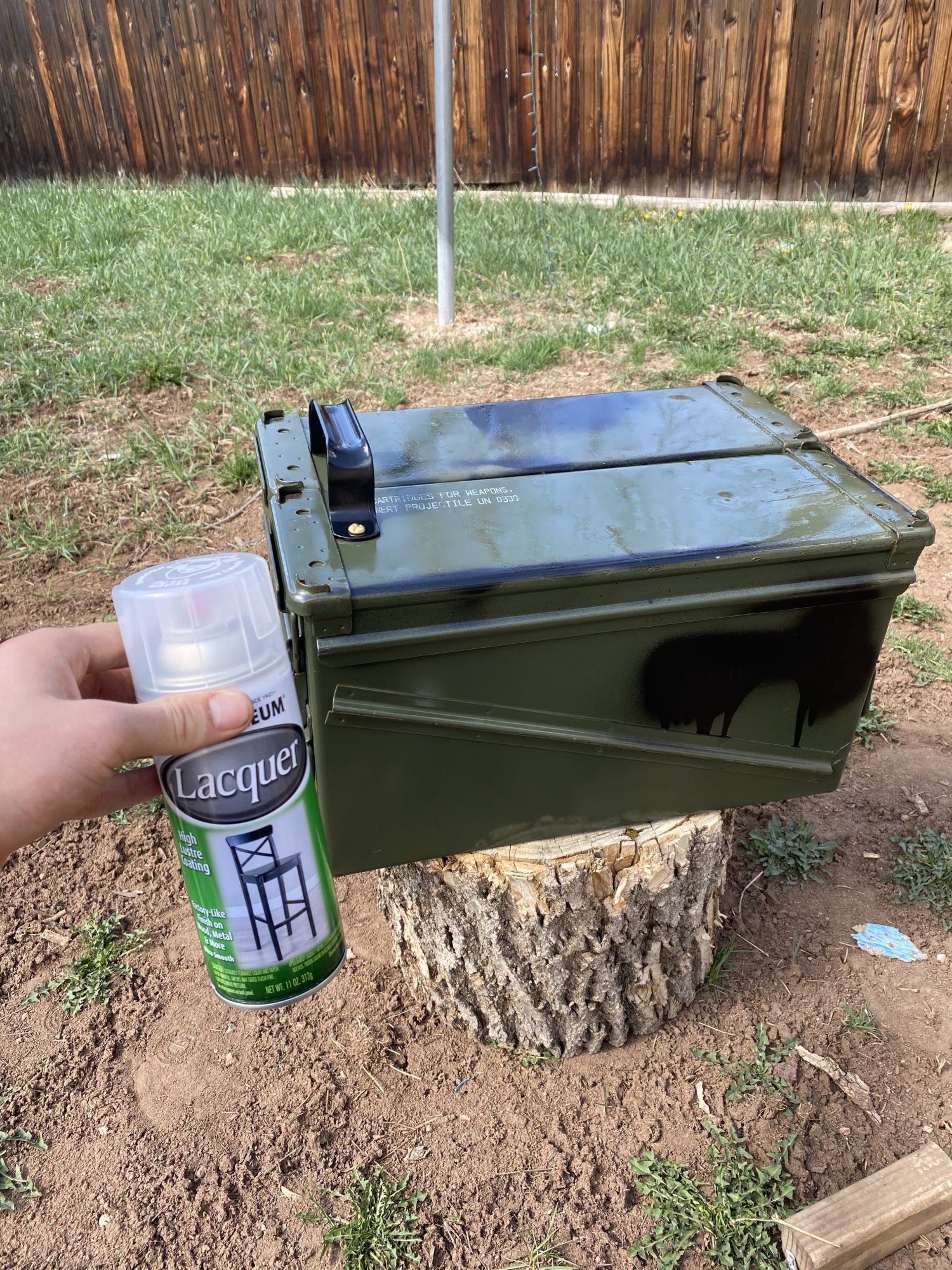
Q: How do I verify if my practice round matches my carry ammo’s point of impact?
A: Shoot three five-round groups of each from a sandbag rest at 10 yards, then measure the distance between the two group centers. If the offset exceeds two inches, switch to a heavier or lighter practice load until the centers overlap.
Reading Box Labels to Avoid Misfeeds and Misfires
Before loading, scan the box for **critical data**—bullet weight, cartridge type, and pressure rating. A 9mm Luger round stamped +P fits your gun but changes recoil impulse, potentially disrupting slide timing and causing stovepipes. Match bullet profile to your firearm’s feed ramp: flat-nosed rounds can snag in barrels designed for round-nose, leading to misfeeds. Check the primer type—some hard-primer loads (e.g., military surplus) fail to ignite in lighter striker-fired guns, producing misfires. Also verify case length markings; overlong brass can chamber sluggishly. Q: Why does a box say “subsonic” but still jam? A: Because heavy-for-caliber bullets (147gr) may not cycle a short recoil spring, so your pistol short-strokes, failing to extract the next round. Always cross-reference the box’s velocity claim with your gun’s spring weight before committing to Ammunition for Sale a bulk purchase.
Grain Weight: What the Number on the Box Tells You About Recoil
The number on the box, such as 115, 124, or 147, refers to the projectile’s weight in grains, and it directly shapes felt recoil. Lighter grain weights, like 115, produce a snappier, sharper push because they travel faster, while heavier options, such as 147, create a slower, deeper shove that many find more manageable. This difference matters for follow-up shots; a heavier load’s recoil impulse is often easier to control during rapid fire. By recognizing that recoil changes with grain weight, you can https://specialtysportsandsupplyltd.com/ pick a box that matches your grip strength and shooting rhythm, avoiding flinch-induced errors that cause misfeeds or sloppy trigger pulls.

Primer Types and Casing Materials—Do They Affect Reliability in Your Gun?
Yes, primer types and casing materials directly impact handgun reliability. Boxer-primed brass cases are the gold standard because the single, centrally-located flash hole ensures consistent primer ignition, while Berdan-primed or steel-cased rounds—often with crimped or sealed primers—can lead to light primer strikes in sensitive firing pins. Casing material matters equally: brass springs back after firing for reliable extraction, whereas steel or aluminum cases expand more, causing sticky ejection or feed ramp friction. For flawless cycling, stick to brass cases with non-corrosive Boxer primers. Ignition consistency follows this priority:
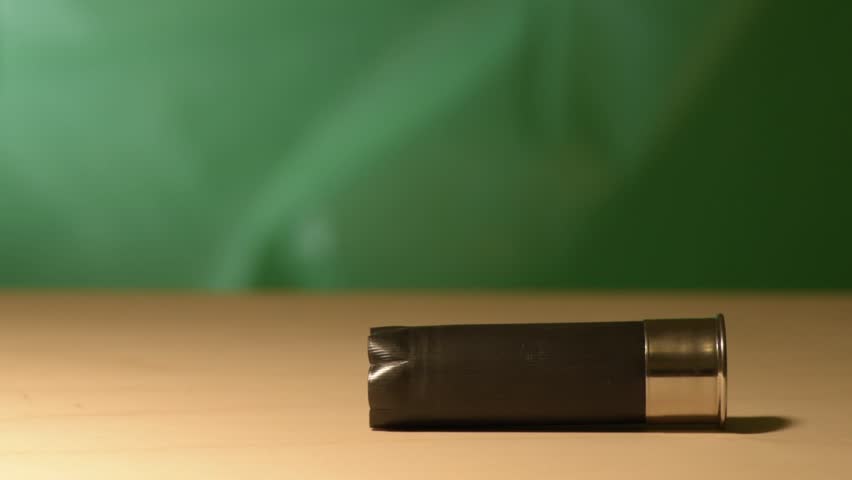
- Brass + Boxer primer = maximum reliability, tunable for any action type.
- Steel + Boxer primer = acceptable, but watch for fouling build-up in tight chambers.
- Aluminum or Berdan-primed = higher misfeed risk, best avoided for defensive loads.
Proper Storage and Handling to Extend Shelf Life of Cartridges
To maximize handgun ammo longevity, store cartridges in a climate-controlled environment, ideally between 55–75°F with low humidity, as moisture is the primary enemy of primers and powder. Always keep rounds in their factory boxes or a sealed ammo can with desiccant packs, and never expose them to direct sunlight or temperature extremes, which cause the propellant to degrade unevenly. Handle cartridges by the rim or case body, avoiding skin oils on the brass and primer, since oils can seep past seals over months. Rotate your stock by using older cartridges first, but resist the urge to polish or re-lubricate rounds, as this disrupts their factory protection. While many shooters assume reloading trays are ideal, they actually invite airborne debris and humidity—so keep handgun ammo sealed until the moment you load it. Inspect monthly for tarnish, dents, or loose primers, discarding any compromised rounds immediately.
Storing Loose Rounds in Magazines vs. Boxes—Avoiding Bullet Setback
Leaving handgun ammunition seated in magazines for extended periods invites bullet setback, where recoil inertia drives the projectile deeper into the case, raising pressure. Boxes prevent this by cradling rounds individually, though loose rattle still permits primer-to-primer contact. Magazines apply constant spring tension to the top round, and even minimal vibration can incrementally shorten cartridge length. Setback is often invisible until the round chambers, but a caliper measuring overall length before and after storage reveals the true risk. Rotate magazine-stored ammunition monthly, or reserve loaded mags for carry and store bulk rounds in their original trays.
- Never store fully loaded magazines for over six months without checking cartridge length.
- Use foam-lined ammo boxes to immobilize loose rounds and prevent impact damage.
- Mark magazine baseplates with load dates to track exposure duration.
- Discard any round that measures 0.01 inch shorter than factory spec.
Dark Storage and Humidity Levels That Keep Powder Fresh for Years
For handgun ammunition, dark storage and humidity levels directly determine propellant longevity. Ultraviolet light accelerates nitrocellulose breakdown in smokeless powder, so opaque, sealed ammo cans or dark safes prevent photochemical degradation. Relative humidity should be held between 30% and 40%—below 30% risks static charge and desiccation of primers, while above 50% promotes corrosion of brass and hygroscopic moisture absorption by powder, which reduces burn rate consistency. A digital hygrometer inside the storage container verifies conditions; silica .35 Remington Ammo for Sale gel or rechargeable desiccant packs maintain the target range. Powder hydrolysis is the primary failure mode, and stable dark, low-humidity environments keep cartridges ballistically fresh for decades.
